The axing of Manchester United’s Ruben Amorim captures a broader narrative in football. The era of super managers is over, the cult of managers is fading. The nature of his ouster, after fallouts with the CEO, Sporting director and recruitment head, despite a recent upswing in fortunes, affirms the altered reality that the manager is but just another cog, a highly dispensable one, in the vast machinery of running a football club.
Amorim, like a young and deluded romantic, remained firm to his ideals. “Not even the Pope could change my tactics,” he would defend his devotion to three man defence. The Pope did not insist; minority stakeholder Sir Jim Ratcliffe did. United, this season, was an upgraded product, but the flare-ups, some of them in public, cost him his grand project. They defended his tactics in the initial months, they stood behind him when he culled out the revolting players, they pacified his defeats, but when he turned against them, they cut them off like a ruthless mafia syndicate. Chelsea’s shunted-manager Enzo Maresca would be a companion-in-distress. The lines of power are arbitrary, often whimsical and situational.

The designations reveal as much. In United’s official axe-statement, Amorim was referred to as “head coach”, and not a manager. It’s how Mikel Arteta, Unai Emery and Arne Slot began before promotions saw them elevated to managers. But Amorim wanted to be a manager. The man with the power. It’s no fault of his. It’s the world of managers he has seen, in his playing days as well as the Portuguese league.
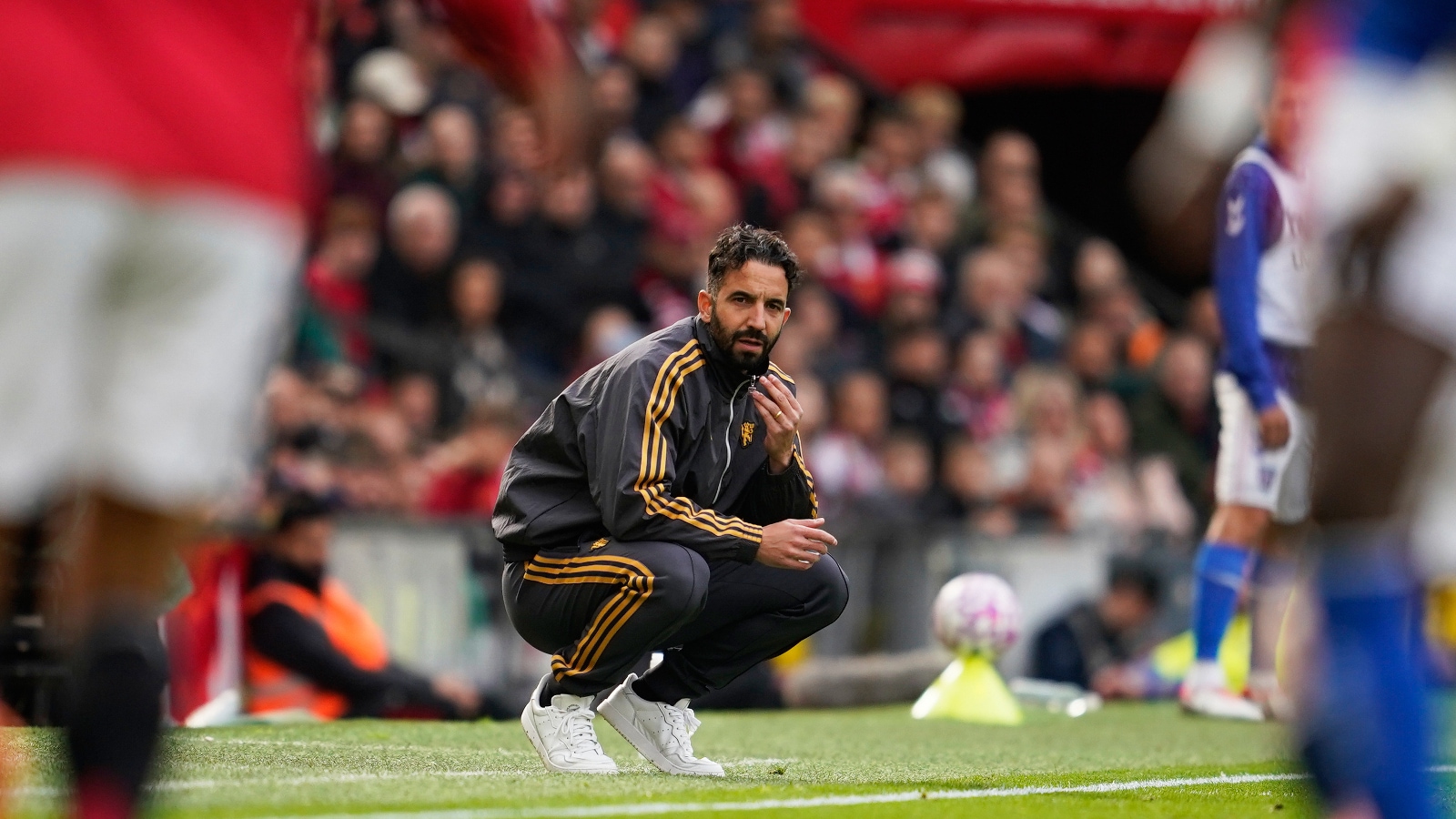 Manchester United’s head coach Ruben Amorim watches from the sideline during the English Premier League soccer match between Manchester United and Sunderland at Old Trafford stadium in Manchester, England, Saturday, Oct. 4, 2025. (AP Photo/Dave Thompson, file)
The fault, here, lies with those men that employed him too. In the presentation, he had insisted that he would not change his formation at any cost. His commitment to his tactical cause impressed the employers, who momentarily forgot what the club needed. There was little time for a project to blossom and spread its fragrance; the moment’s dire need was a manager who could win them a few trophies and revive the faith of their followers. They forgot the squad, if the players on the club’s rolls had the suitability and adaptability to become a force in a 3-4-3. Sporting director Dan Ashworth filed warnings, and in weeks he was forced to resign. The subsequent season was spent forcing square pegs into round holes.
United splashed the cash in a frantic sell-and-buy spree. But not all were to Amorim’s liking. He wanted an established striker, Aston Villa’s Ollie Watkins precisely. Instead he got a developing one in Benjamin Sesko. He craved for quick wingbacks; he got just the raw Patrick Dorgu. He wanted a deluxe defensive midfielder, he had to make do with the tiring legs of Casemiro and clumsy instincts of Manuel Ugarte. He implored for an experienced goalkeeper, presumably Emiliano Martinez, but the goalkeeping director Tony Coton swayed the decision in favour of 23-year-old Semme Lammens, gifted but a study in progress.
It has been a recurring theme, like rewatching last night’s episode of a soap opera. Last season, Erik Ten Hag wanted Scott McTominay to stay, but the board sold him. He demanded at least two of Frenkie de Jong, Alexis Mac Allister, Federico Valverde and Harry Kane. United secured none, and resorted to panic buys for exorbitant sums. Before leaving United as the interim coach, Ralf Ragnick drew a list of 12 young players who United should buy. The club pursued none; most of them have evolved into high-class players in elite clubs. All managers would not get all the players in their wish-list, but would fetch at least some of them. The metaphor of their flawed transfer strategies is Erling Haaland, who Ole Gunnar Solskjaer recommended to the board for a pittance of money, but they declined. Kane, Declan Rice and Jude Bellingham all remained just a name on the transfer wish-list. None were pursued aggressively. His predecessors Jose Mourinho and Louis van Gaal too would have similar stories of letting their preferred players slip through their palms because of myopic recruitment policies and half-hearted approaches.
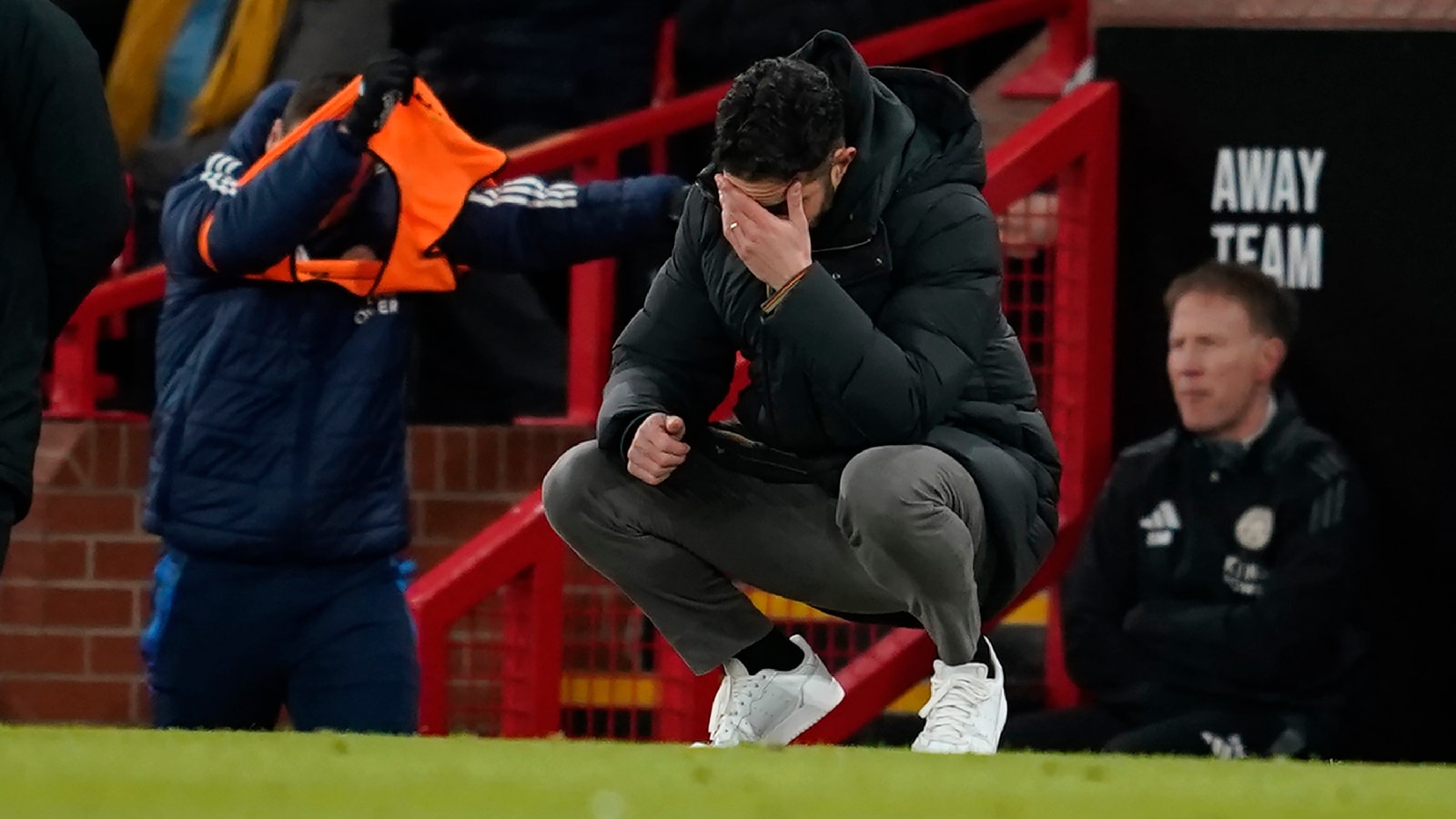 Manchester United’s head coach Ruben Amorim reacts after Leicester’s Bobby Decordova-Reid scored the opening goal during the English FA Cup fourth round soccer match between Manchester United and Leicester City at the Old Trafford stadium in Manchester, England, Friday, Feb. 7, 2025. (AP Photo/Dave Thompson, file)
Perhaps, new managers at the club suddenly feel a streak of powerfulness because their imagination has been shaped by Alex Ferguson, the patriarch. But in his last, he was not getting the men he wanted; he had his differences with the owners and management. He sensed the shifting sands and reclined to the retirement chair. There are numerous other structural flaws with the clubs, from creaking roofs to worn out training centres. But the toughest chore for any ambitious manager is to deal with the various power blocs and the hard reality the manager is no longer the club’s identity, or its most powerful person.
Story continues below this ad
The coronation and desecration of Amorim would offer a tale of caution for his successor. That he wouldn’t be bequeathed with incontestable powers. The Amorim episode is a lesson for the club too. It’s not an ideologue that they need, but a revivalist.